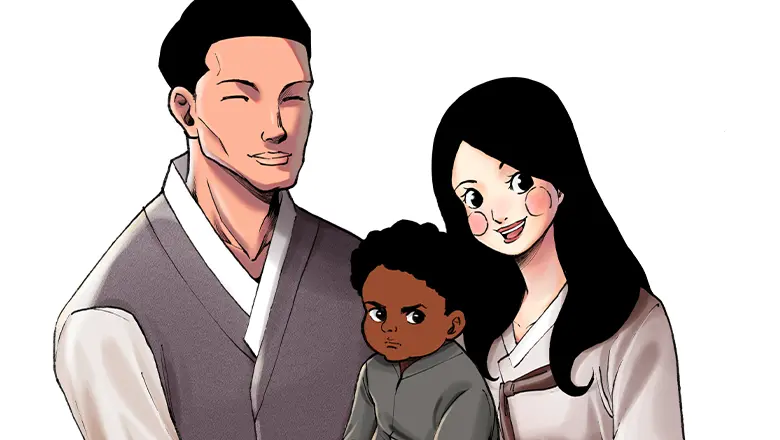
Being Salaryman


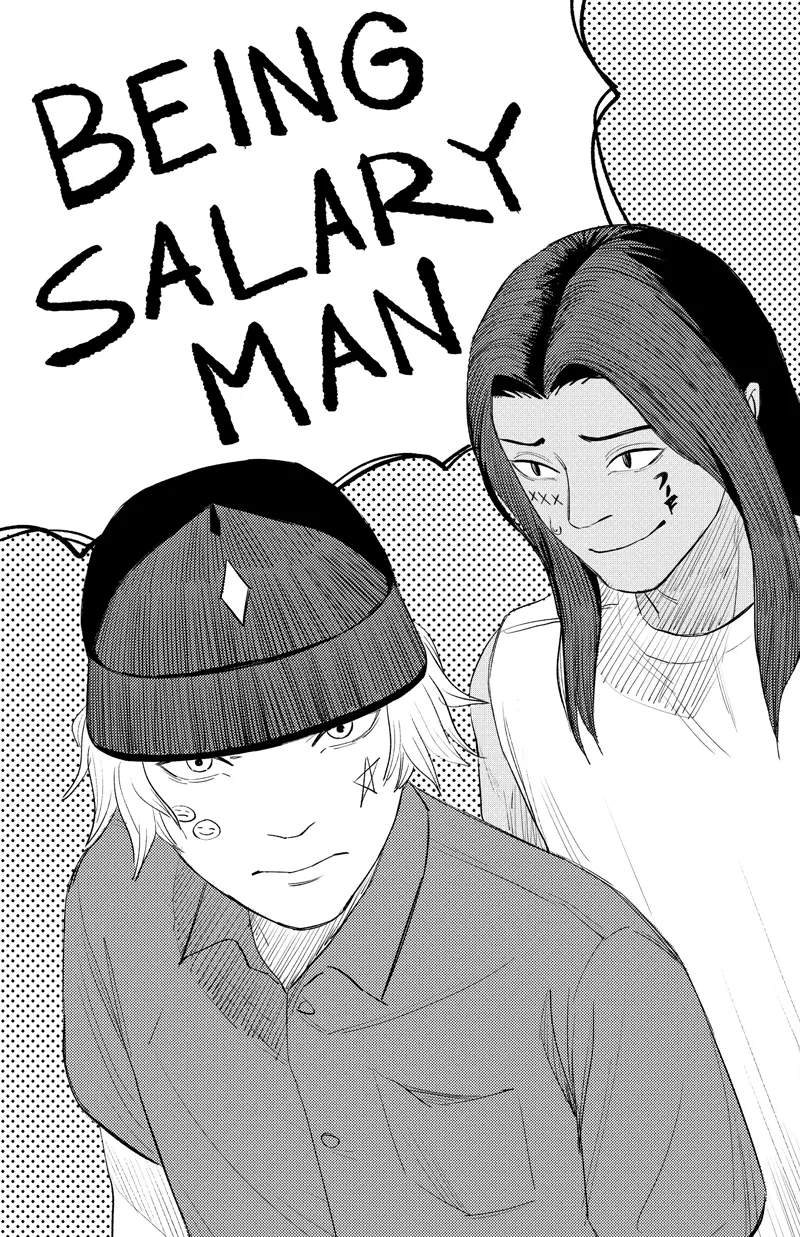
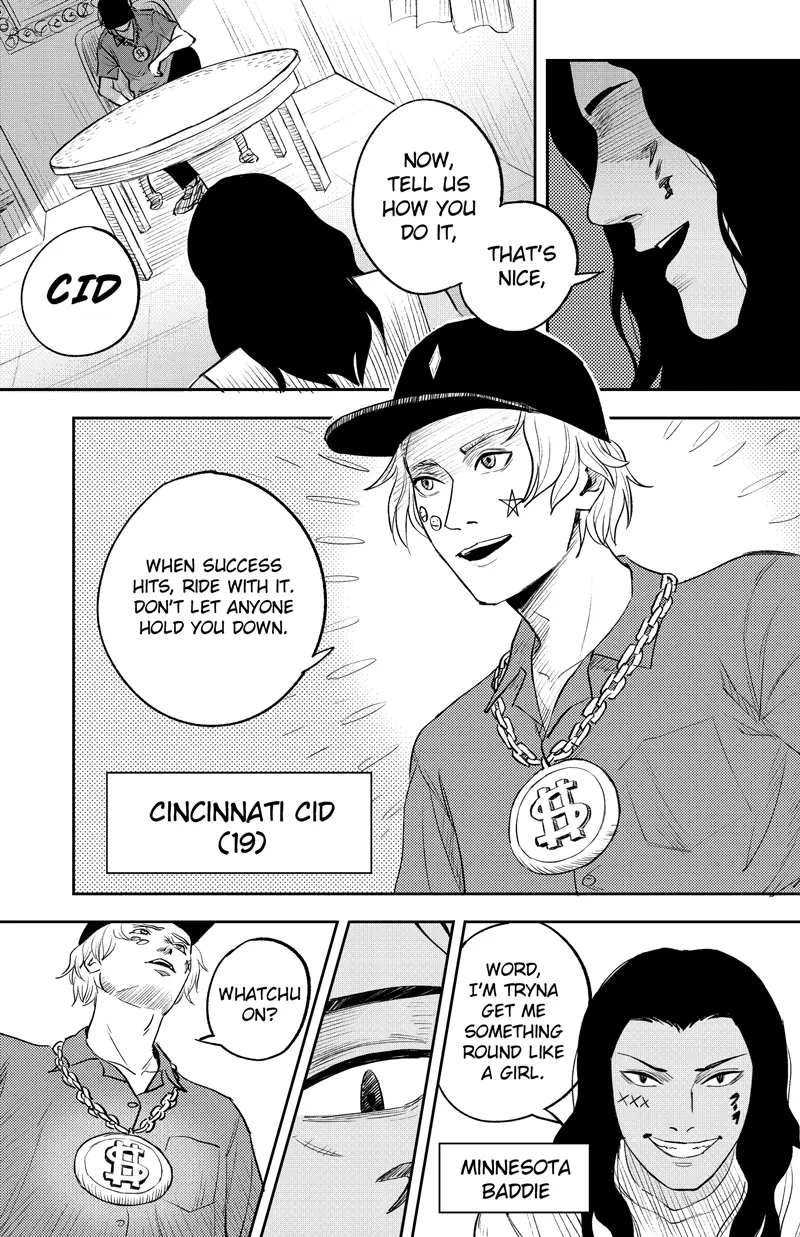
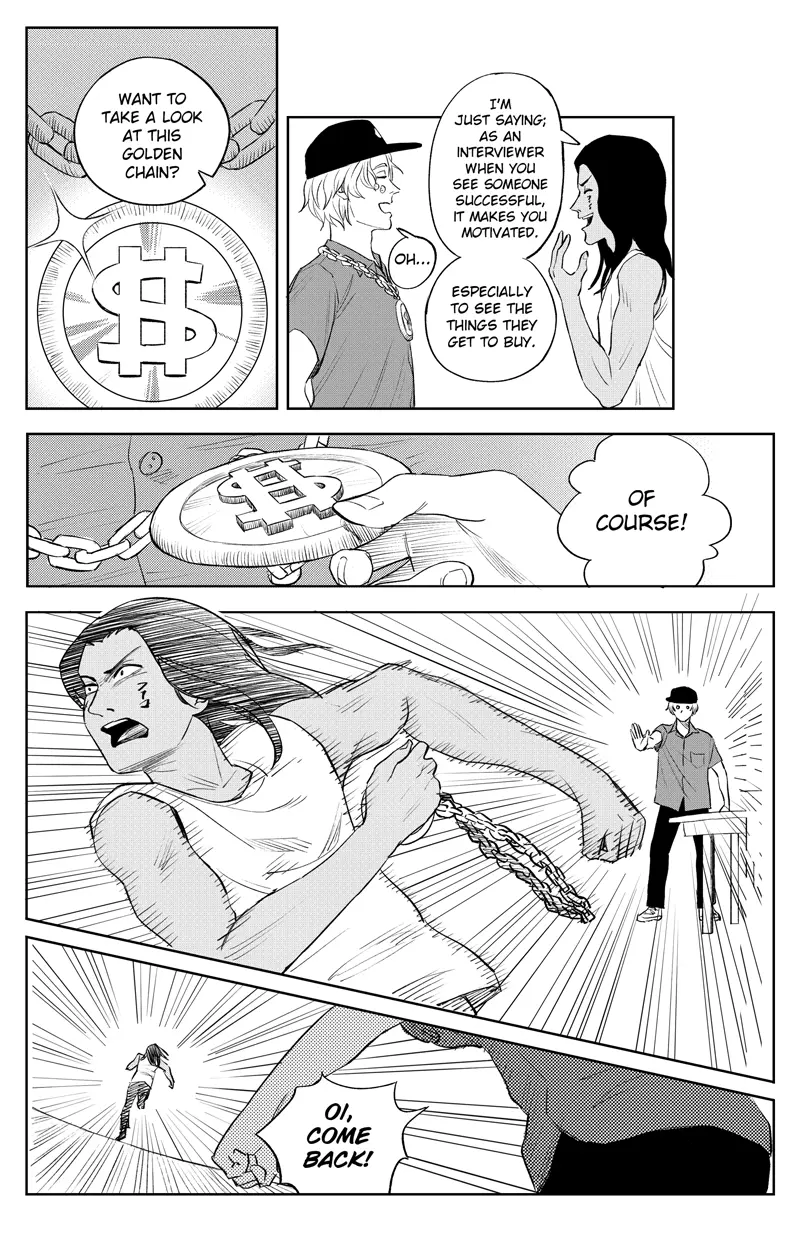
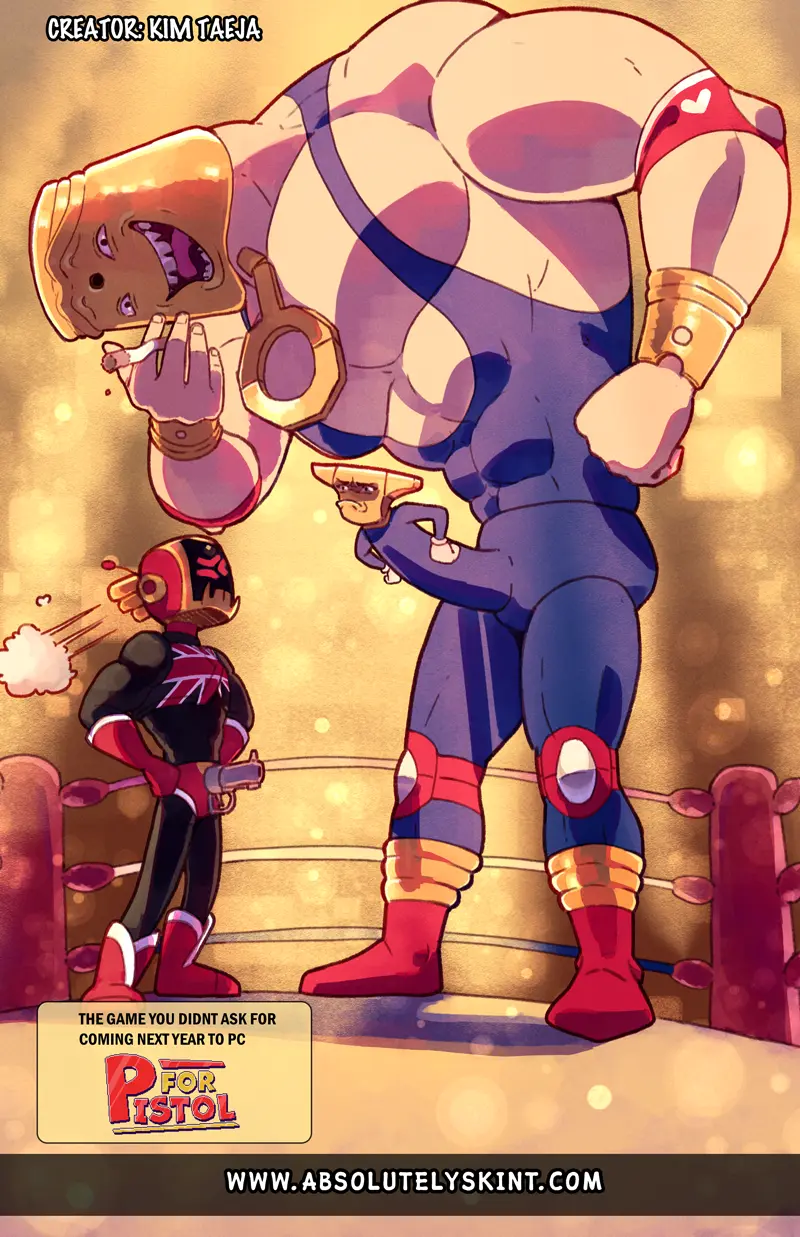
Synopsis
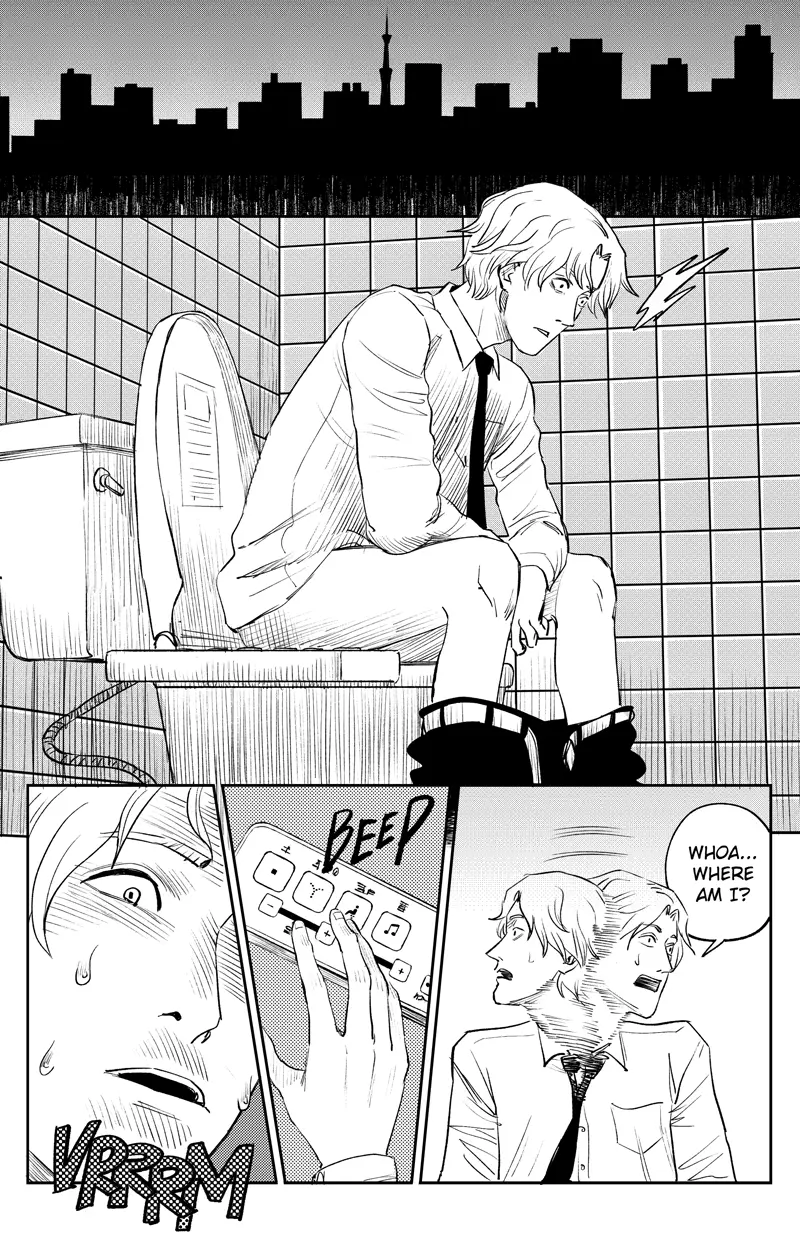
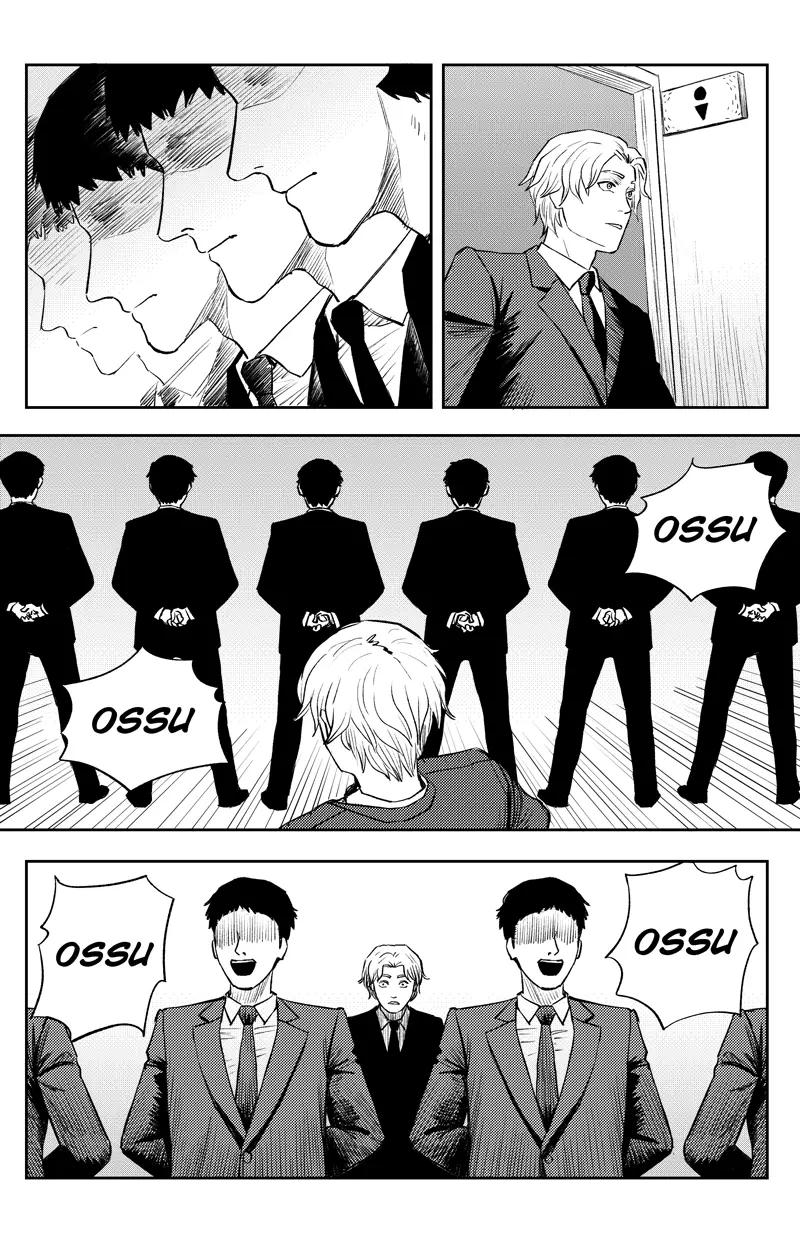
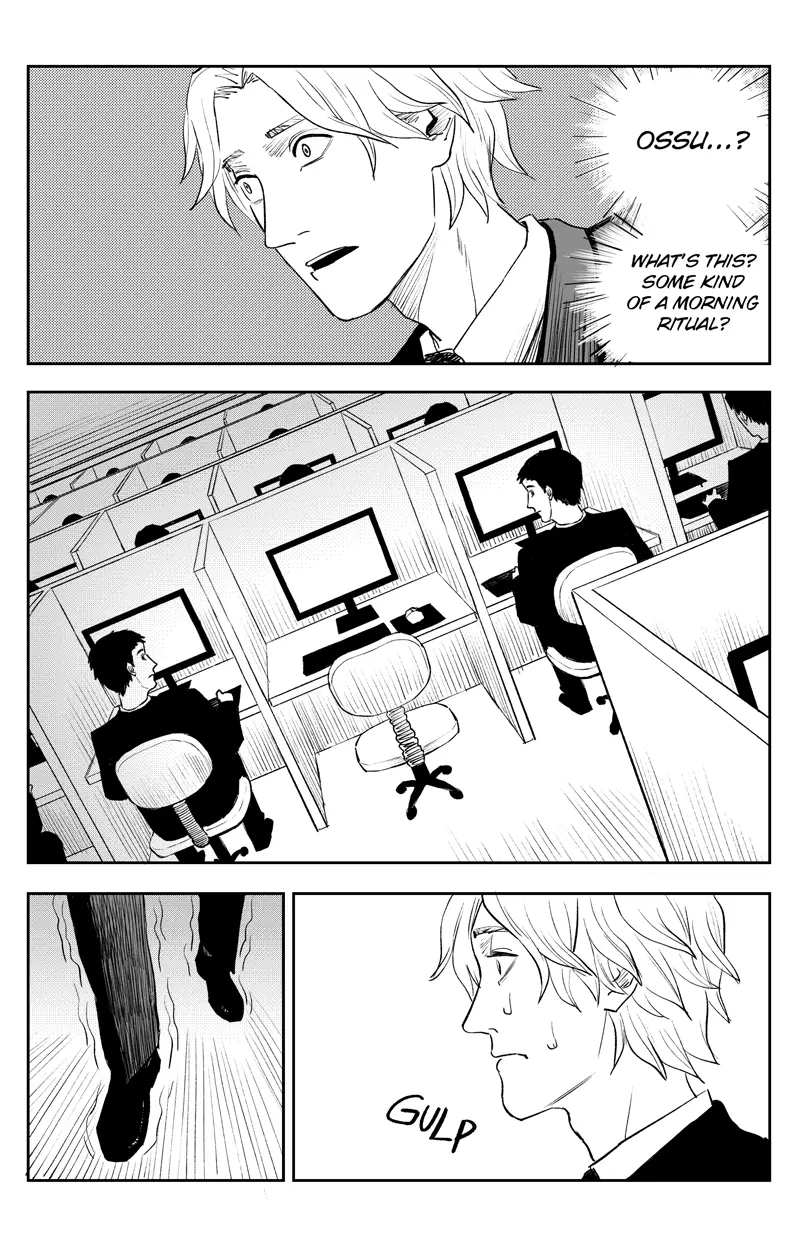
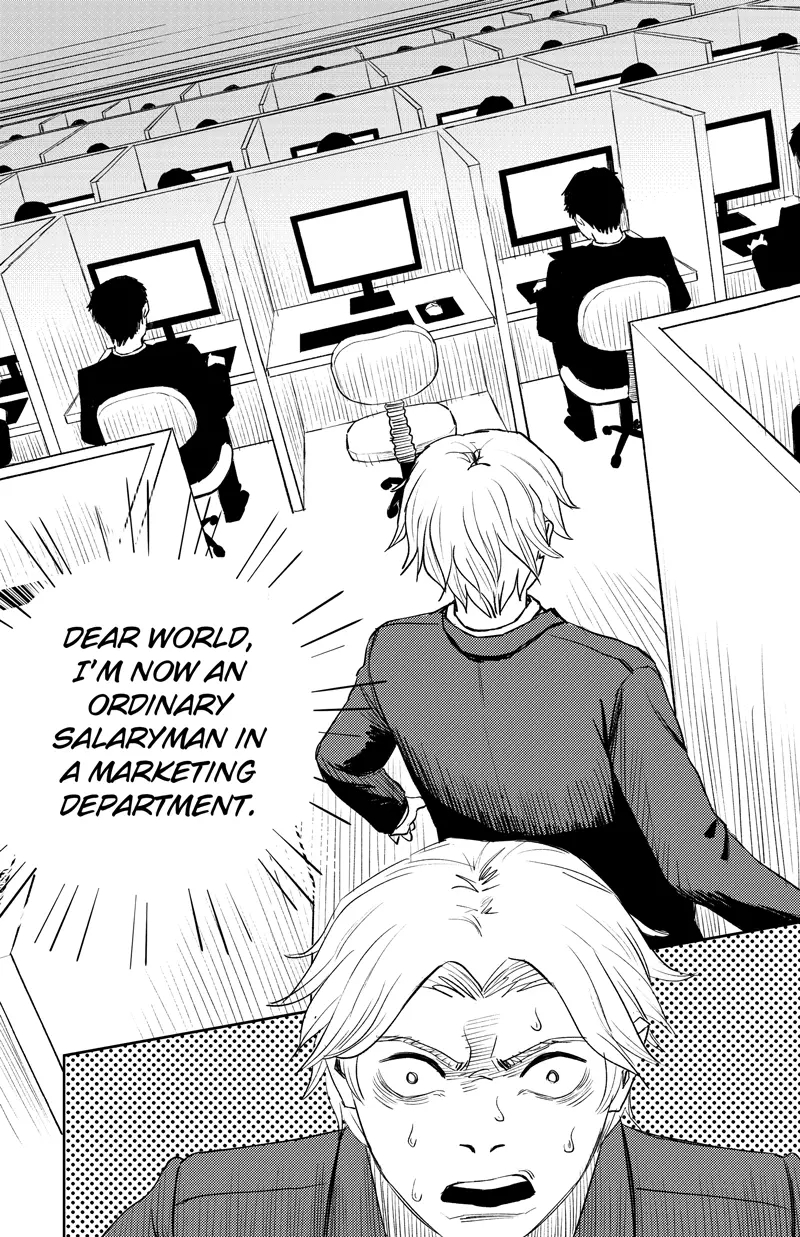
A step by step guide on how to not be a salaryman, by individuals who were never destined to be one. How will they perform?
How It Started:
Welcome to the Posting Our L's series, where by I, Pistol Taeja aka Kim Taeja, takes a look back at works that were completed or currently in progress.
There is no larger point in writing this article. Instead, it is mostly here to document the past actions, things that were learned, not learned and to improve as an artist, developer and human being.
Despite having worked in the games industry as a developer for 7+ years at the time. Creating this manga was difficult as heck. I did not appreciate how much effort goes into producing a simple 10 page manga!
Which brings us to the topic of Being Salaryman.
Before beginning the journey of creating my own "Enemy" universe, I wanted to explore the idea of transplating a person from one culture to another. Such a skillset would be really good for moving characters around in a larger universe.
During random hour long discussion about topics not related to this manga, an online friend who is African American mentioned leaving America.
I wondered, If he was to be put into a story, What kind of story would it be?
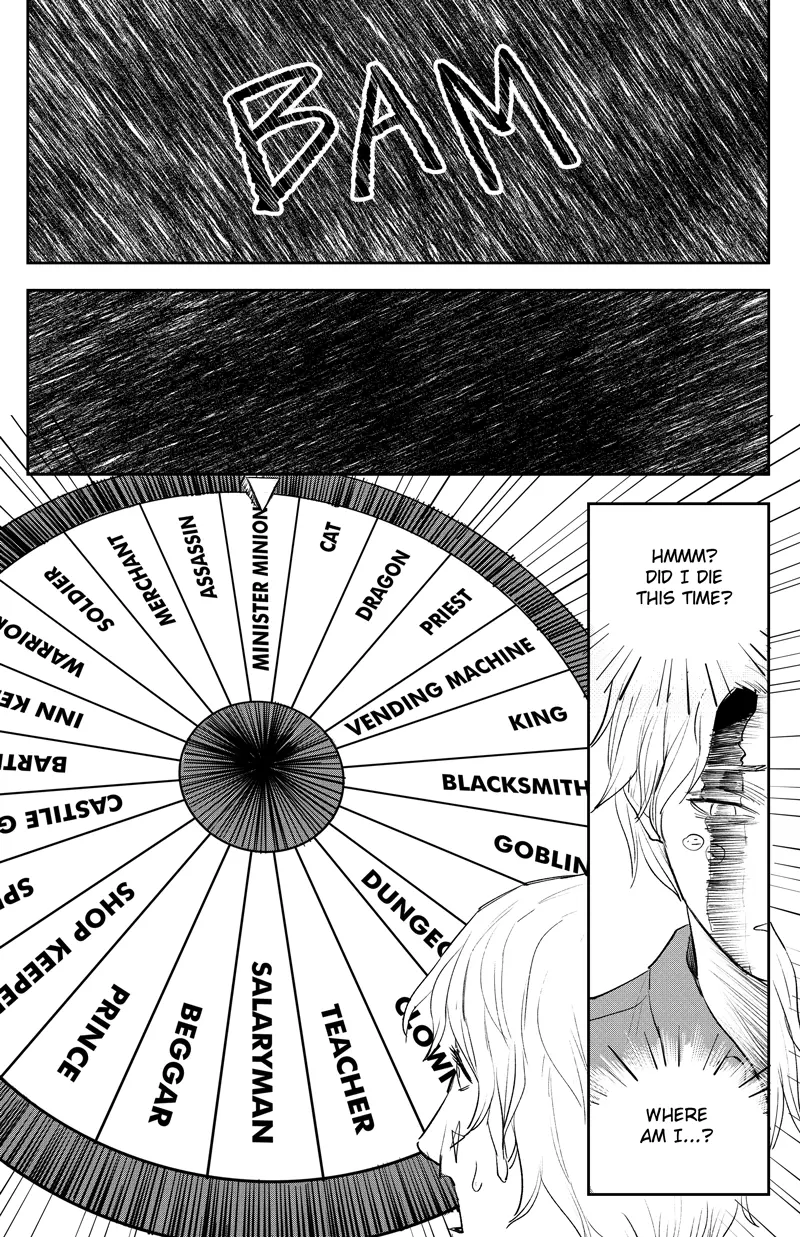
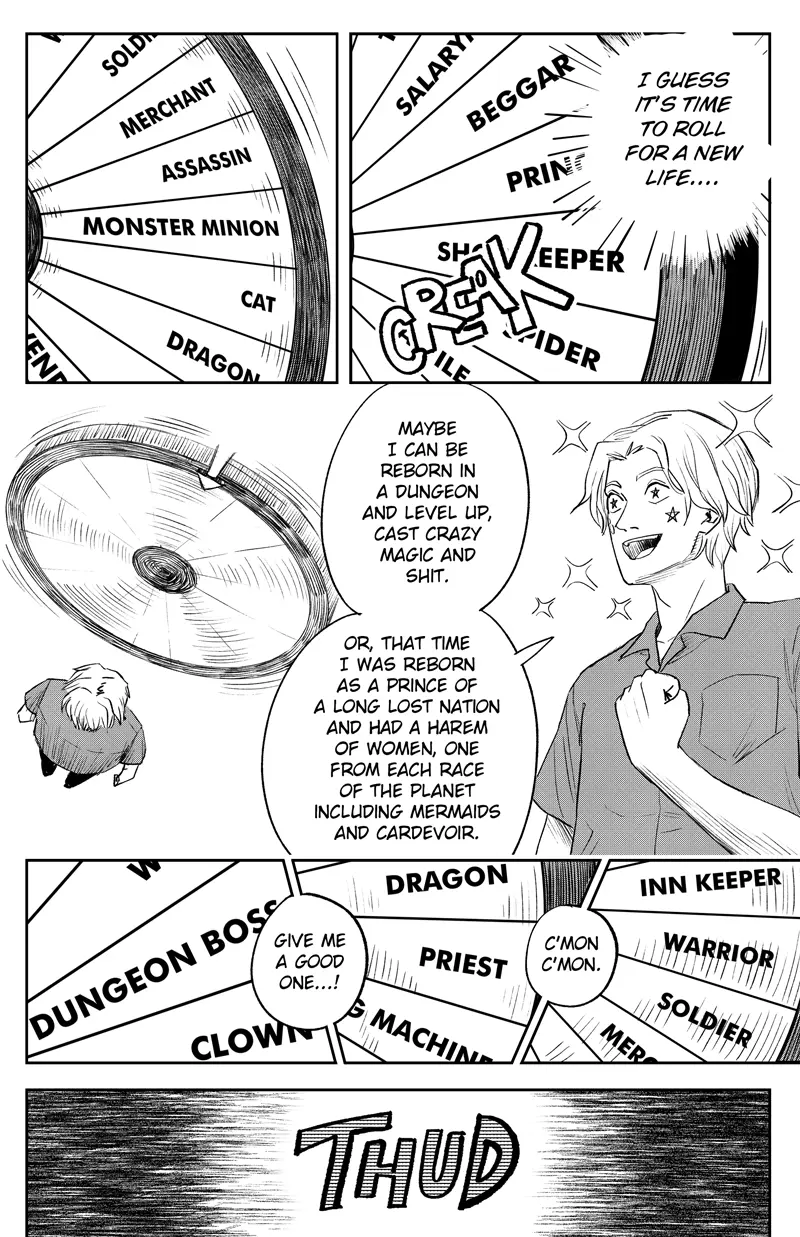
Is it possible to use the framework of an Isekai to take an ordinary person from the USA and throw them into Japan, being reborn as an ordinary person?
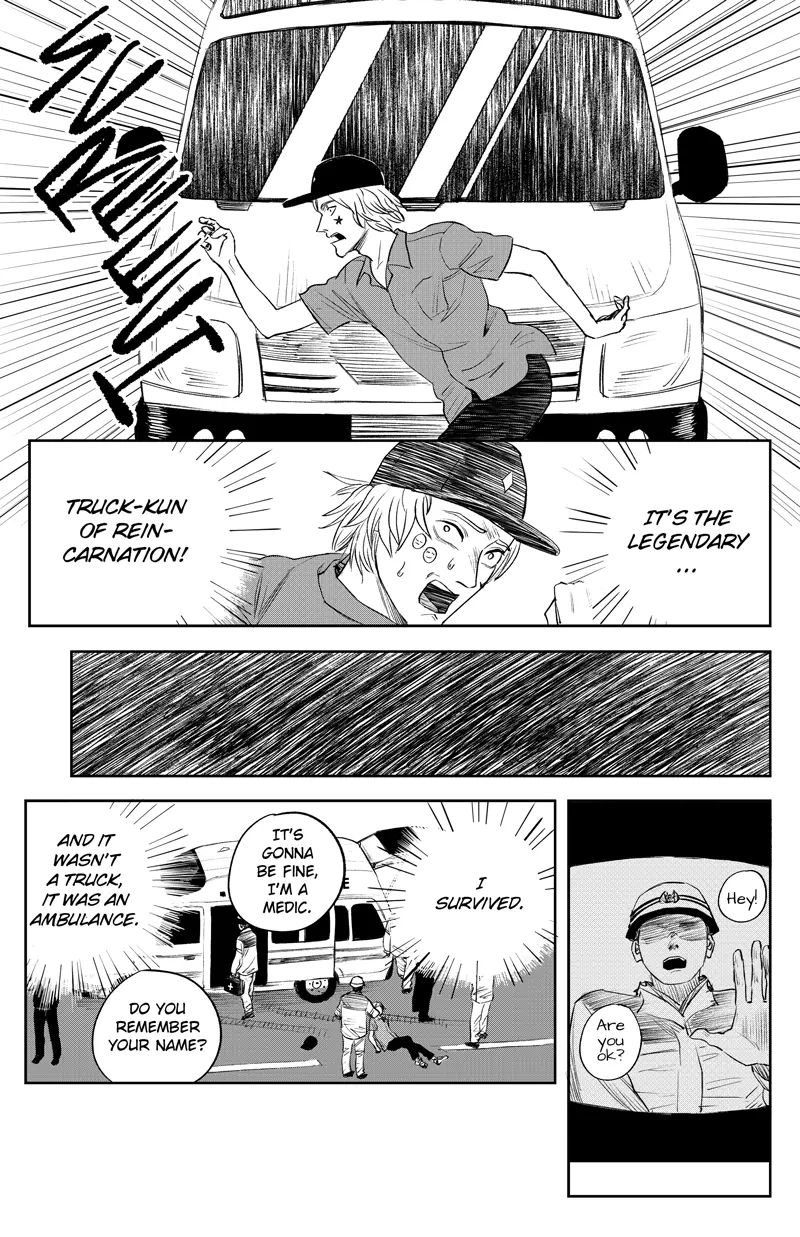
Isekai's have come along way as a medium; Almighty Truck-Kun is being called upon by a no-name writer like myself to aid in the killing of an average person so he can be reborn in another country. What would it look like?
With a little back and forth, some editting and using what experience I have. I created over 20 different situations where an average person was taken from their country and send to another country in the exact same time period.
Refining these down, I settled on sending a pair of individuals from America to Japan.
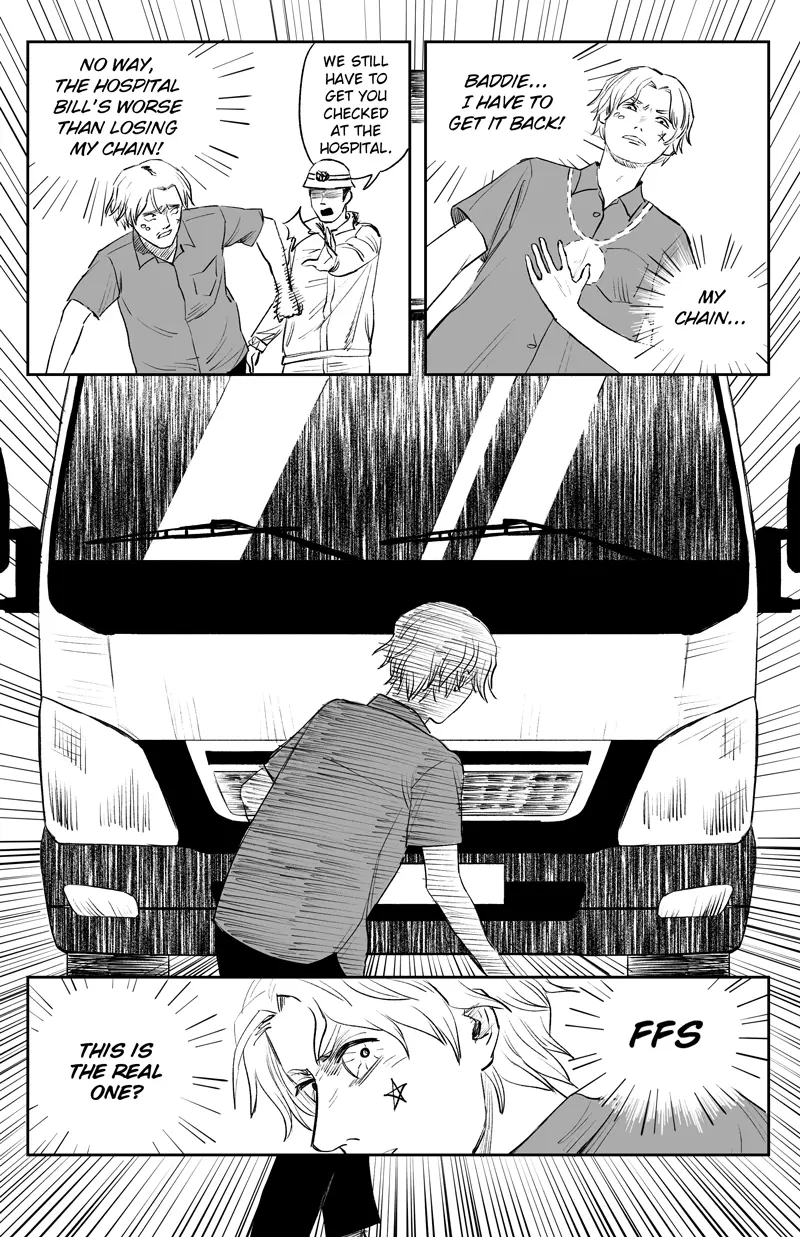
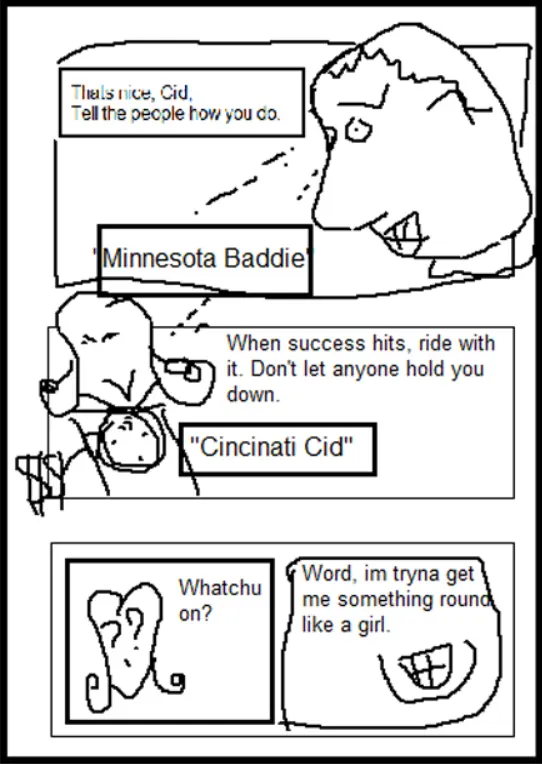
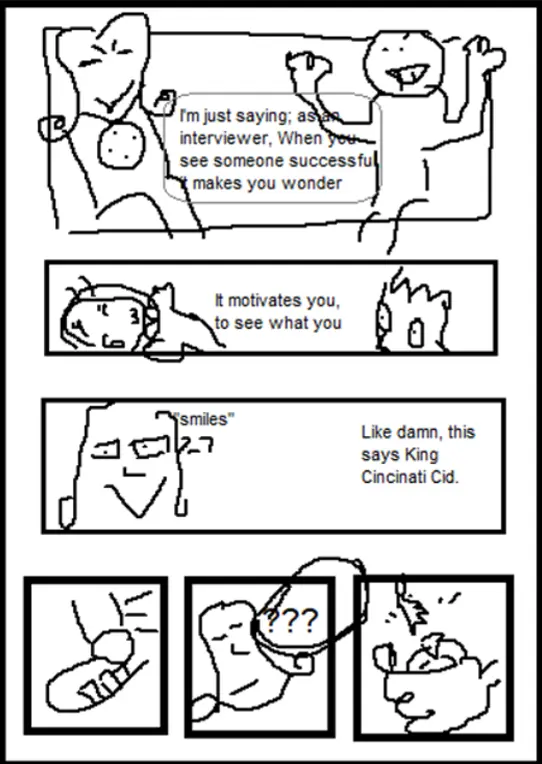
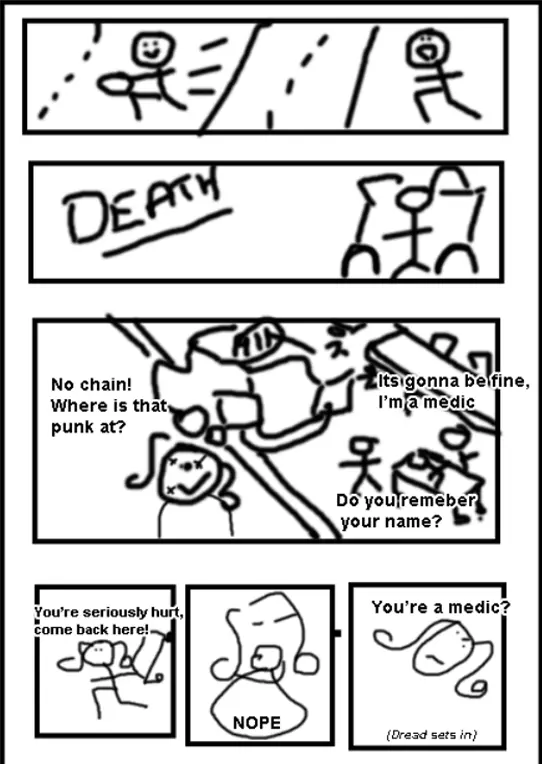
I wrote a 2000 word treatment of what the characters would be like and drew what you see below.
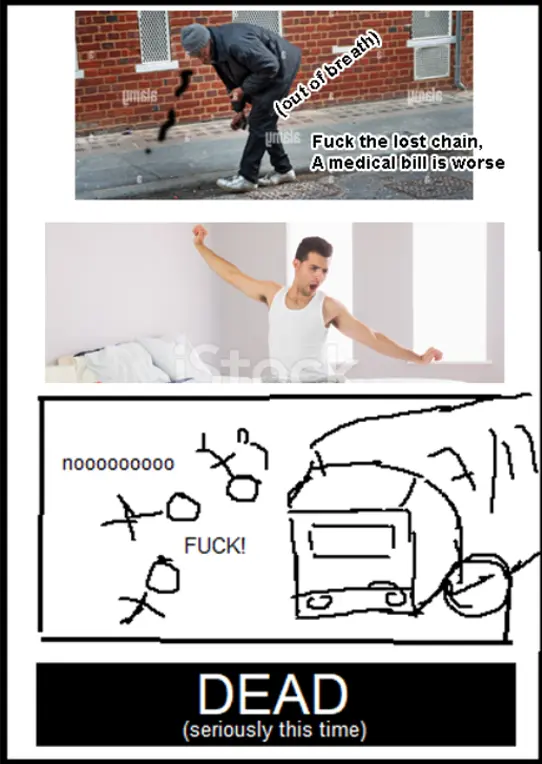
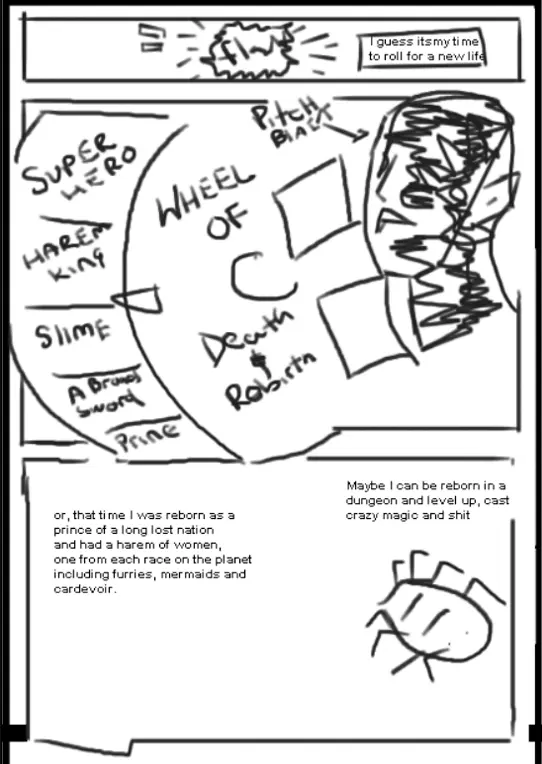
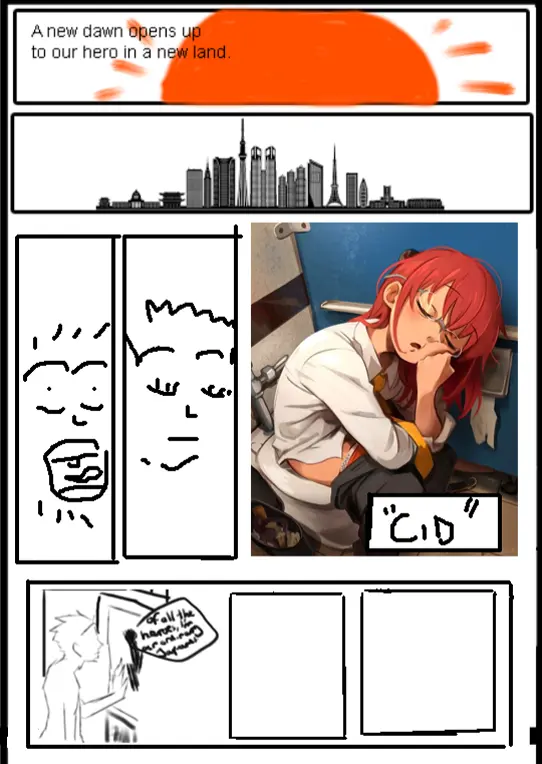
What makes this salaryman manga different from the usual isekai
Most isekai drops a person into a fantasy world with cheat abilities, a harem, and a level-up notification every three pages. That wasn't what I wanted here. The hook for this salaryman manga is that there's no power fantasy. Two guys get reborn in Japan and the "power" they receive is a Monday morning commute and a desk job they didn't sign up for. No magic system. No demon lord. Just the quiet, grinding absurdity of office life in a country that isn't yours.
That constraint is actually what makes it work as a story concept, even if the execution in 10 pages is rough. The setting is contemporary Tokyo, specifically the kind of windowless office environment that makes you question every life choice you've ever made.
The two protagonists are American men who get reborn as Japanese salarymen. They retain their original personalities and awareness — they know exactly who they were and where they came from — but they're stuck. No portal home, no quest giver, just a 9-to-9 and a train that's somehow always on time.
That friction between who you are and what your circumstances demand is the actual story. It's small. It's quiet. And for a 10-page one-shot, it's probably too small to land properly, but the idea underneath it is solid.
How it Ended:
I had absolutely no experience creating a manga at the start but, similar to everyone else, I do love reading manga.
The plan moving forward was clear to me.
1: Create a bullet point story for each page.
2: Use Microsoft Paint to draw each page for an actual artist to create a story board
3: Send the Storyboard to another artist to finalise it
4: Pray!
At this stage we have succesfully executed parts one and two of the plan and things are looking good. I met a great artist on fiverr; whom I am still in contact with and he was able to take my crappy drawings and notes to produce a fantastic storyboard.
Having the storyboard artist be passionate and japanese worked out very well. I want to say I totally planned it! I did not!
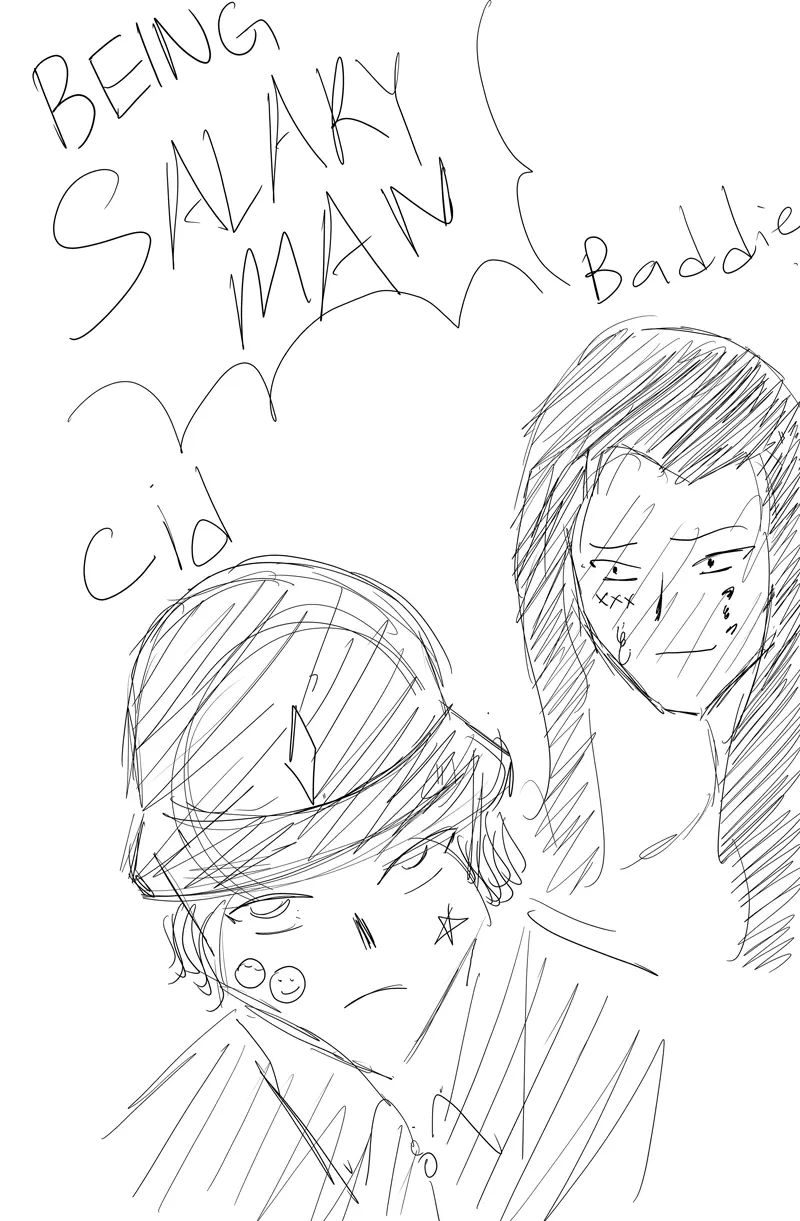
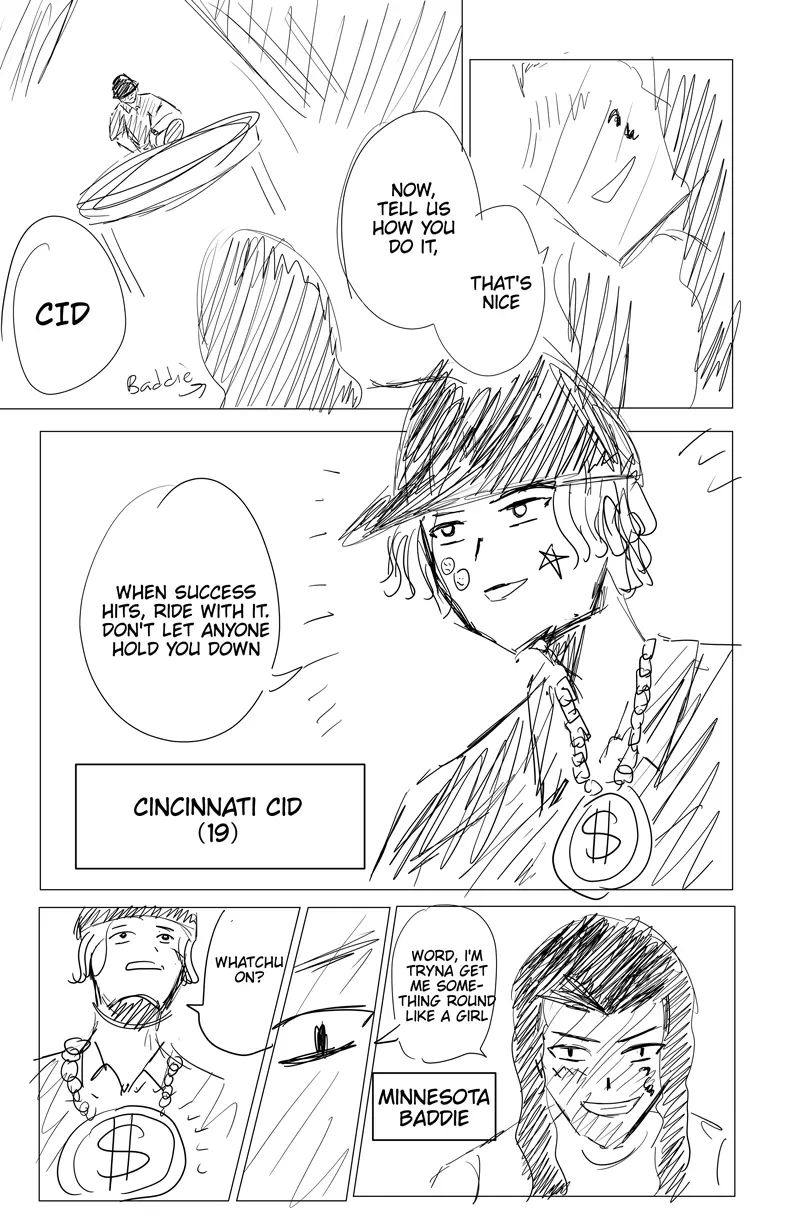
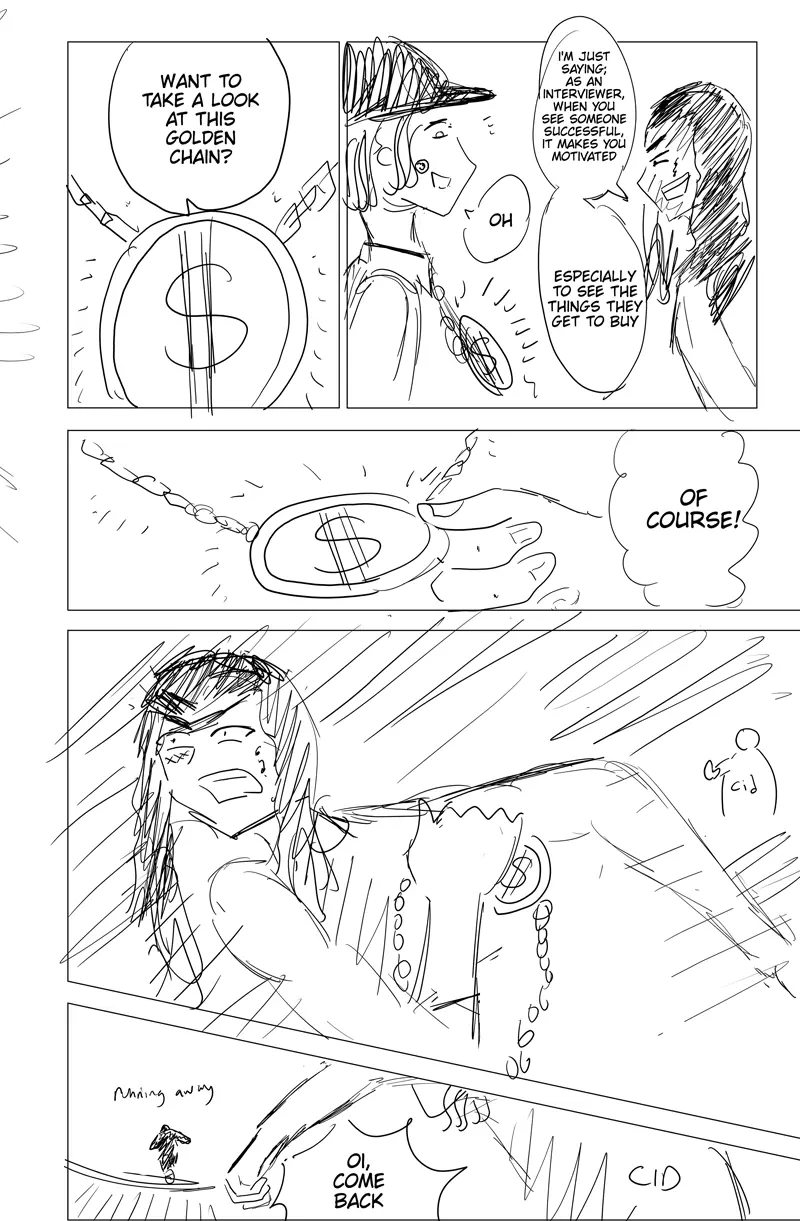
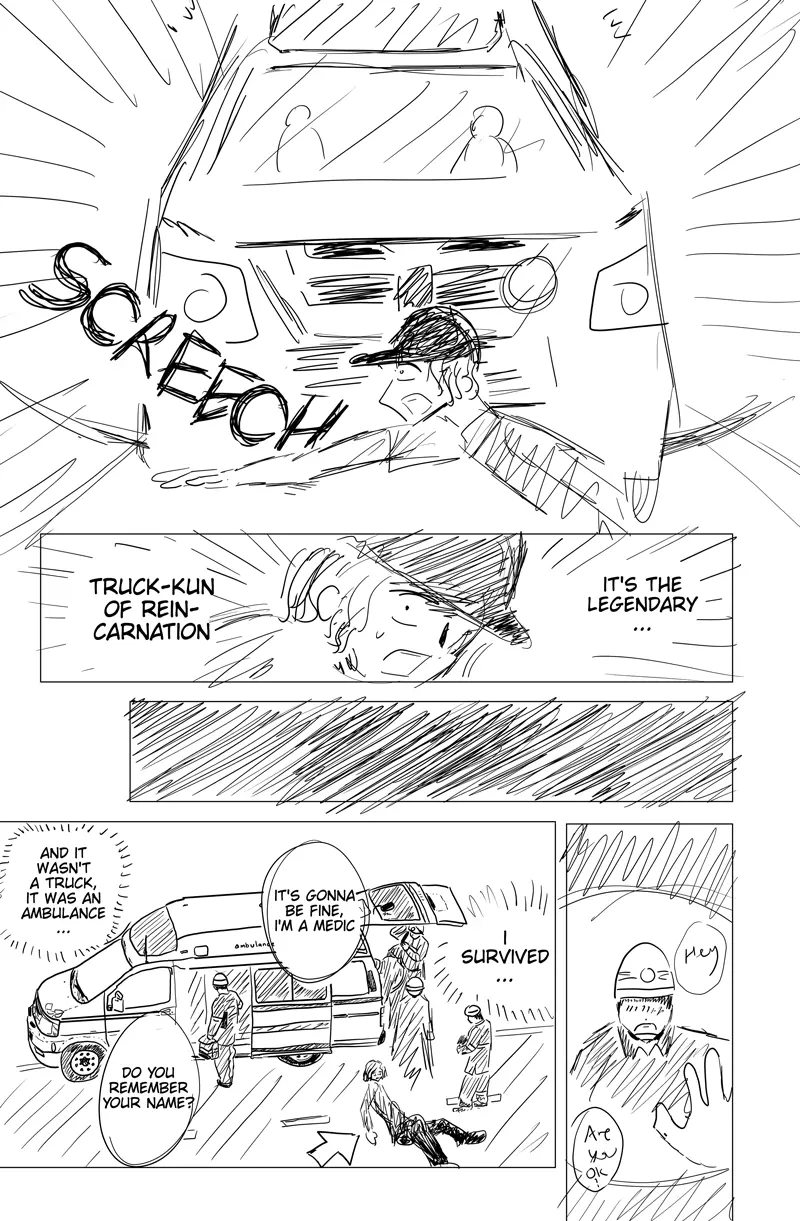
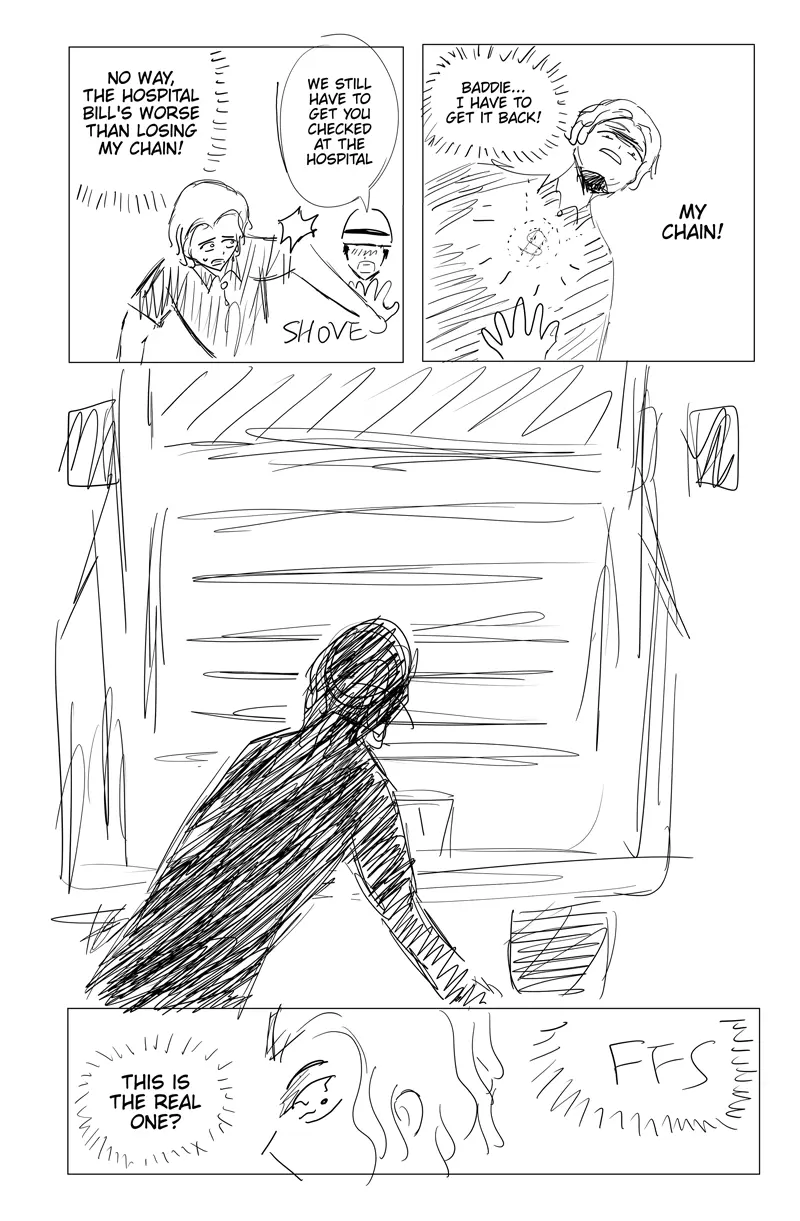
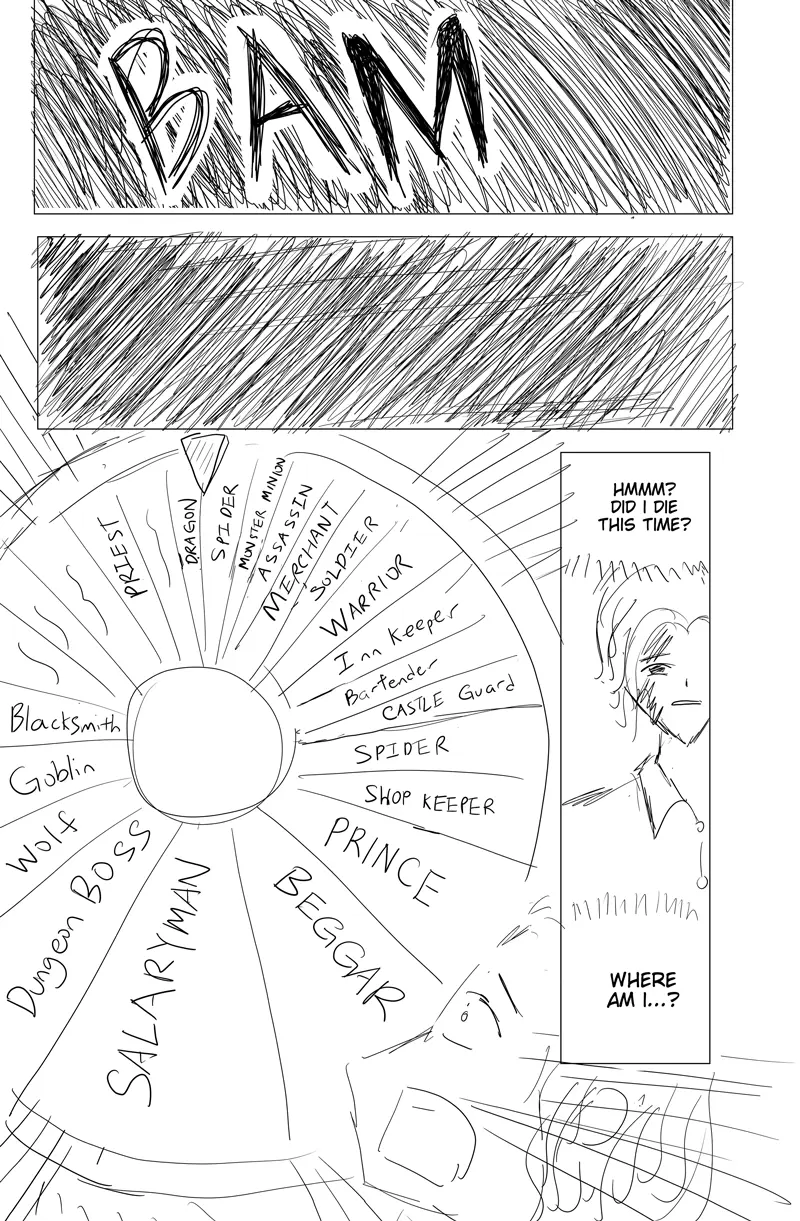
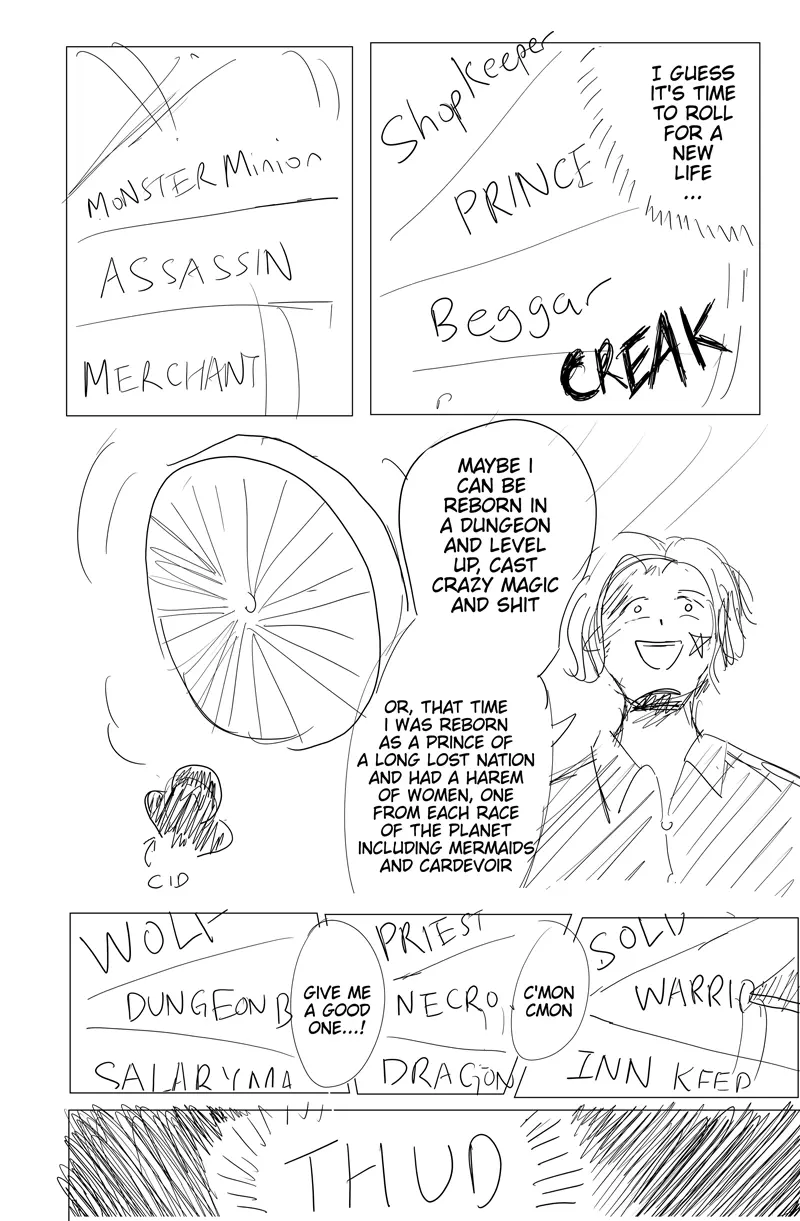
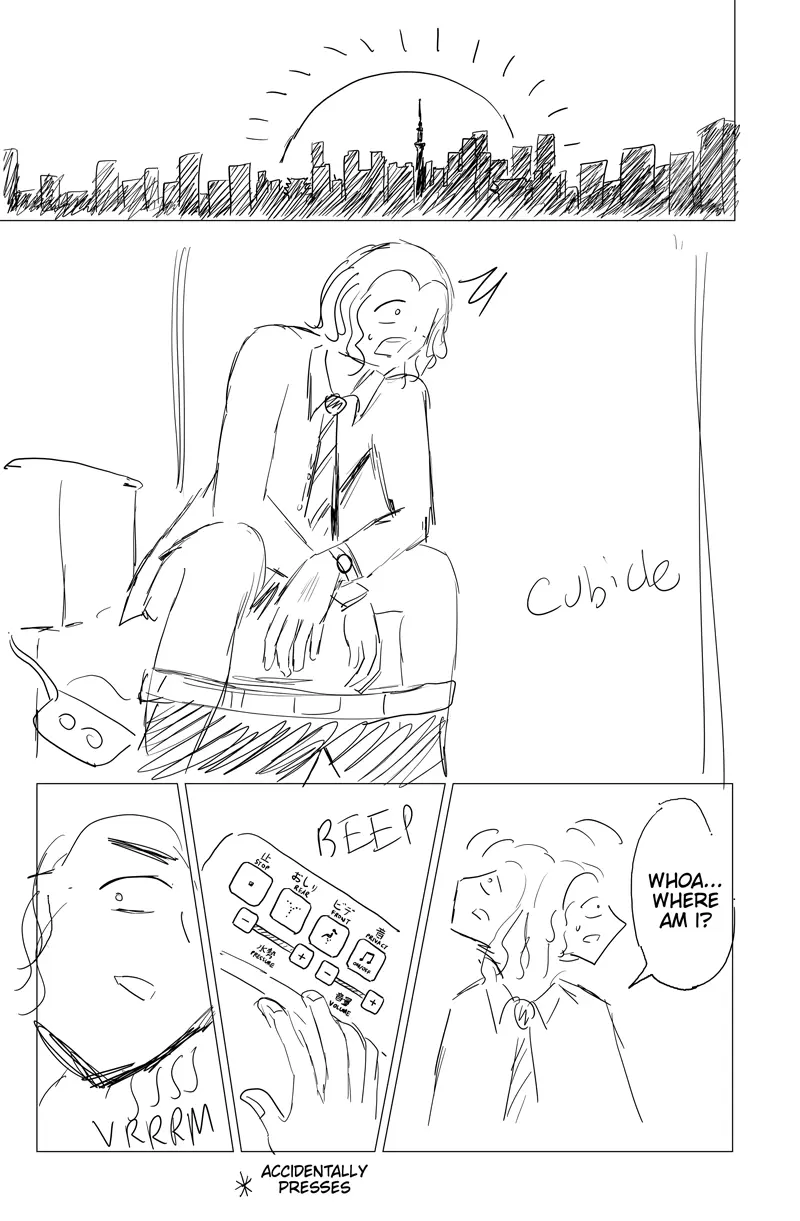
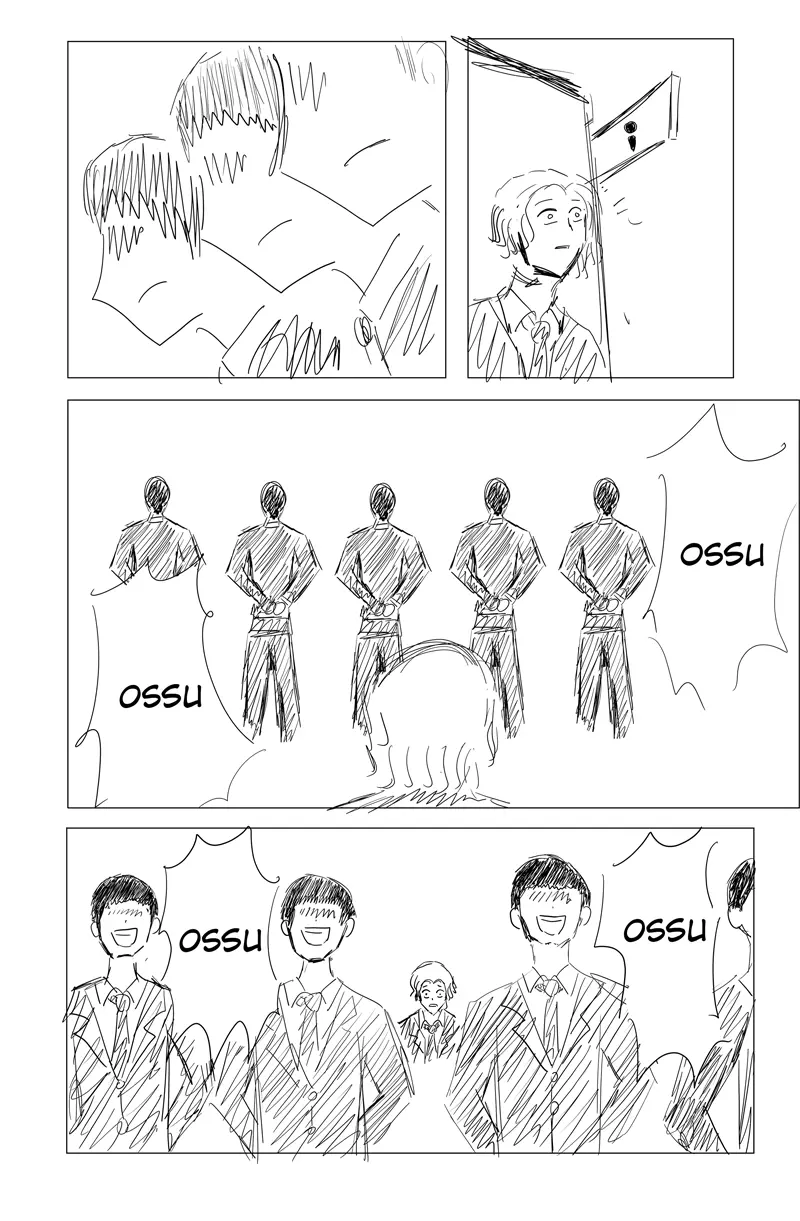
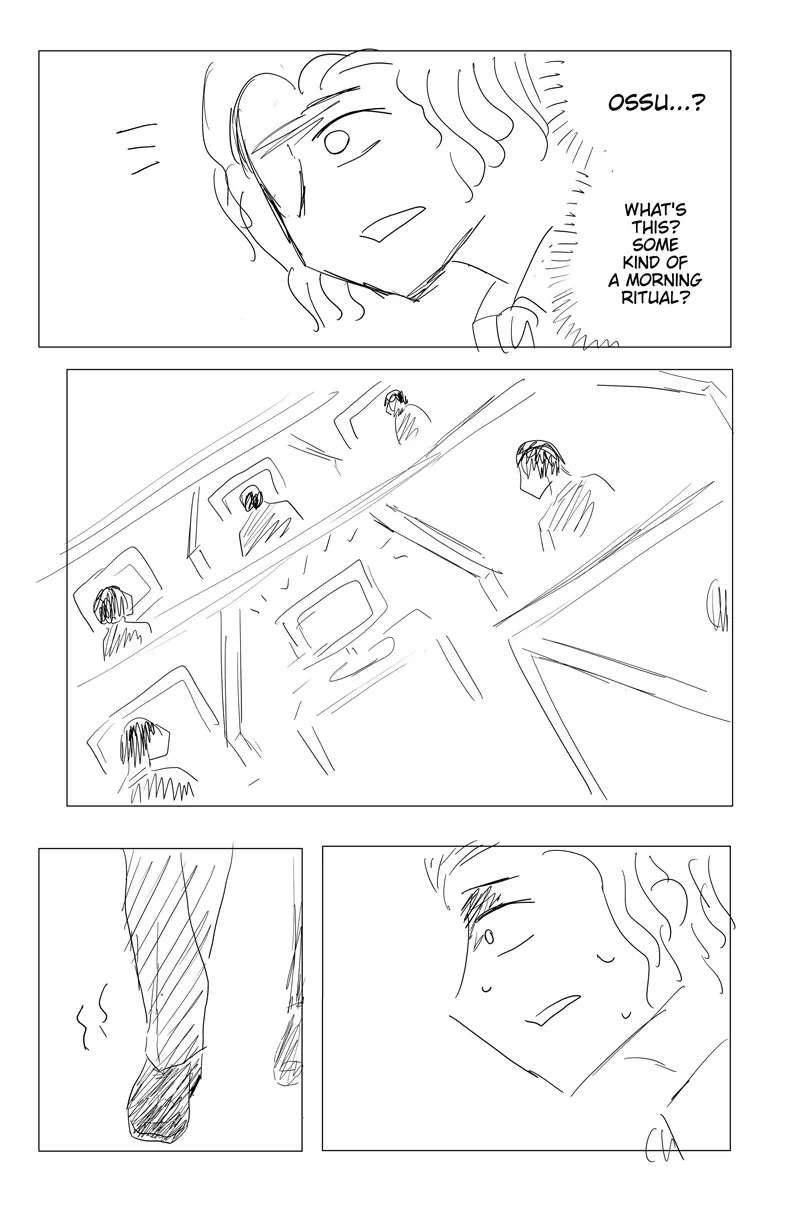
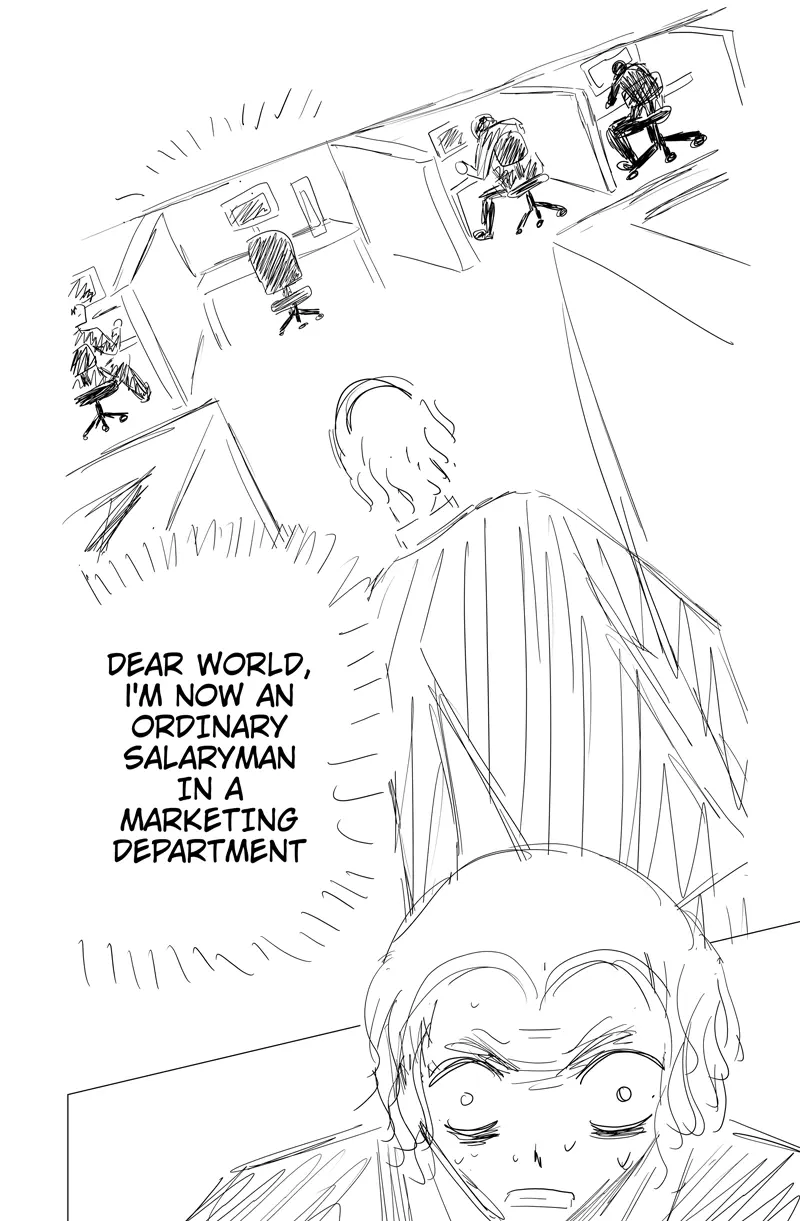
The Fiverr artist, the storyboard, and what actually happened
Finding a storyboard artist on Fiverr who was both passionate and Japanese was not something I planned for. I got lucky. He took the MSPaint scribbles and the notes I sent over and came back with something that looked like an actual manga. That jump — from my terrible sketches to a real storyboard — is the part I still can't quite believe happened.
I talk about that whole process in more detail in the guide on how I write a manga from scratch, which uses Salaryman's sketches as a real-world example of what the early stage of any project actually looks like. Spoiler: it's ugly.
The jump from storyboard to final linework is where the second artist came in. I wrote the brief, handed off the storyboard pages, and then it was mostly out of my hands. For a first project that's both terrifying and a relief. You stop being the person who makes it look good and start being the person who just has to live with the result.
Where Salaryman fits in the Enemy of the State universe
Salaryman (샐러리맨의 생활) was always meant to be a prototype, not a standalone story. The bigger project it feeds into is the Enemy of the State universe, which is my ongoing attempt to build a connected world of characters who keep getting moved between cultures, time periods, and bodies they didn't ask for.
The skill I was really practicing here was transplantation — taking a character who is firmly rooted in one place and making them function somewhere completely alien. If you can make that feel real in 10 pages, you can do it across a full arc. I'm still working on making it feel real.
Salaryman is the earliest public record of that experiment. It's rough and the ending is basically just a shrug, but as a test of whether the core idea holds up? It does. Two Americans stuck in Japanese office life with no exit is a premise that has more mileage in it than 10 pages can carry.
Whether I go back and expand it is still TBD. But the characters, the setting, and the central absurdity are all sitting there waiting.
Final Thoughts
So what did we learn through all of this?
1: My ideas are weird as heck.
2: Respect artists for their craft.
The Isekai format is still very much an effective means to transplant an individual from the world they know and put them on their very own hero's journey.
The overall story is not as potent as it could be in order to truly stand out in the current market of works. In 10 pages, I was unable to leave a taste in expectations as to what the characters would do now they have been transported as a salaryman.
This is a huge pitfall in my writing ability that I need to work on.
If you've ever thought about making your own manga with zero experience, the how to write a manga guide is probably the most honest thing I've written about that process.
This article you are reading is also another example of my poor writing.
I will continue to work on this matter.
Thanks for sticking around.
- Taeja