How to Grow Your Webtoon on Canvas (Tips from a Creator)

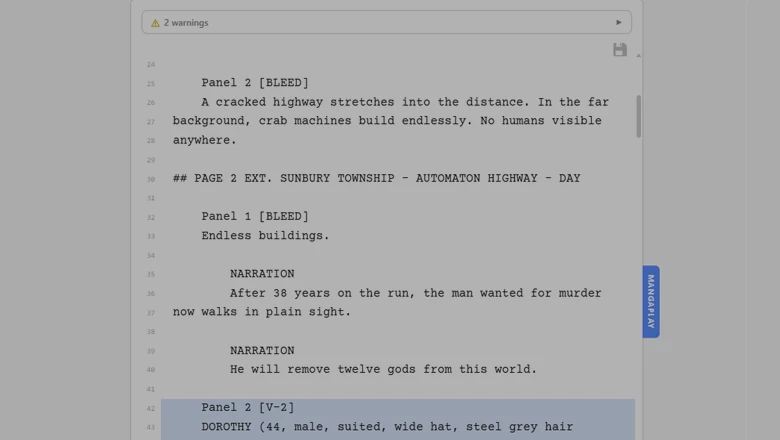
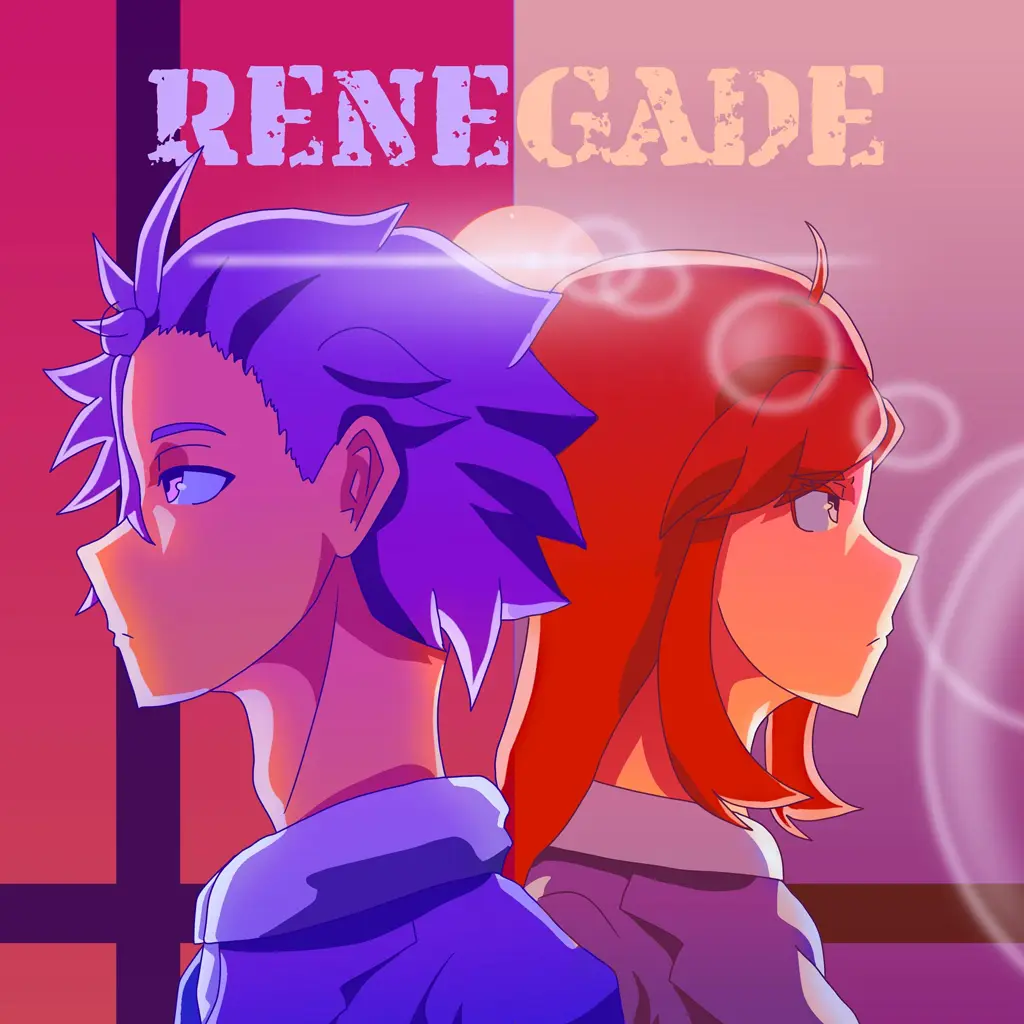
TLDR: Starting on Webtoon Canvas in 2026 is harder than it's ever been. Hundreds of episodes drop daily and discovery is a slot machine. I'm creating RENEGADE and these five strategies have kept my reader count higher than series with the same episode count: consistency, aggressive advertising, collaboration, never quitting, and nailing your first three episodes.
- 1: Upload weekly or bi-weekly to keep readers hooked without forgetting your plot.
- 2: Advertise everywhere (social media, conversations, short-form video) and don't stop.
- 3: Collaborate with other creators at your stage to cross-pollinate audiences.
- 4: Don't abandon your series after two episodes when the numbers are low.
- 5: Polish your first three episodes until they shine. First impressions lock in readers.
Starting a Webtoon Canvas series gets harder every year. I launched RENEGADE knowing the odds were against me, and I've been testing every growth strategy I can find.
The Webtoon Canvas tab is flooded. Hundreds of new episodes drop daily. Clicking a genre and sorting by "new" gives you a tiny window of visibility before you're buried under the next wave. Even if you hit the top of a genre tab, the click-through rate is brutal. Most readers scroll past.
So I asked myself: what's the best way to grow webtoon on Webtoon Canvas as a beginner in 2026?
I'm still in the early stages with RENEGADE, but I've tried everything. Some webtoon tips worked, others didn't. Here's what I've learned so far.
How Webtoon Canvas Creators Build Audiences with Consistent Uploads
I upload on a schedule and I don't break it. Weekly is ideal, bi-weekly is the minimum. Anything longer and readers forget what happened in your story.
Webtoon readers are juggling dozens of series. If you post Chapter 3 a month after Chapter 2, they won't remember your protagonist's name. They won't re-read from the beginning. They'll just bounce.
Consistency also signals to the algorithm that your series is active. Webtoon Canvas prioritizes active creators in genre tabs and recommendations. If you ghost for two months, you're starting from zero when you come back.
I've seen creators with incredible art post three episodes in one month and then disappear. Their subscriber count stays frozen because there's nothing to subscribe *to*. Readers don't bet on dead series.
Pick a schedule you can sustain. If weekly is too aggressive, do bi-weekly. If bi-weekly is crushing you, do monthly, but know that monthly is borderline too slow for Webtoon's pacing culture. Korean readers especially expect rapid updates. That's baked into the platform. Just like staying motivated as an indie dev means showing up week after week, webtoon canvas creators need to match reader expectations for consistent content.
Webtoon Advertising Strategies That Actually Work
I advertise everywhere. Social media, Reddit, Discord servers, YouTube comments, conversations with strangers at coffee shops. If someone asks what I'm working on, I mention RENEGADE.
My Webtoon doesn't have thousands of followers yet, but my reader count per episode is higher than other series with the same episode count. The difference is webtoon advertising. I'm not waiting for the algorithm to discover me, I'm dragging people to the series myself.
Post on Twitter, Instagram, TikTok, and any platform where your target audience hangs out. Create teaser images, character art, short clips. Make it easy for people to click through to your Webtoon page.
Here's the reality: short-form content isn't a magic bullet. TikTok, YouTube Shorts, and Instagram Reels can help, but the Webtoon audience on those platforms is smaller than you think. Most people scroll past, even if your video hits. The conversion rate from "watched a 15-second clip" to "subscribed to your series" is low.
But some people *do* click. And those people matter. Every subscriber started as a stranger who saw your work somewhere and gave it a shot.
Don't rely on short-form content alone. Treat it as one tool in a larger strategy. The real work is posting consistently across multiple platforms and showing up everywhere your audience might be.
Why Webtoon Creator Collaborations Boost Growth
I reach out to other Webtoon Canvas creators who are at a similar stage. We trade shoutouts, cross-promote on social media, and add references to each other's series in episode end cards.
This works because our audiences overlap. If someone likes your series, they'll probably like mine. Cross-promotion introduces your work to readers who are already primed to consume Webtoon content.
Most creators are terrified of networking. I get it. Reaching out feels awkward, especially when you're new. But the Webtoon community is surprisingly collaborative. Other creators *want* to help each other grow because we're all fighting the same discoverability problem.
Start small. Find three to five creators with a similar episode count and subscriber base. DM them on Instagram or Twitter. Propose a simple shoutout trade: you mention their series in your end card, they mention yours. No money, no contracts, no strings.
If you want to go deeper, create a Discord server for a small group of creators and share feedback on episodes, art, and marketing. Having a community keeps you accountable and gives you people to celebrate small wins with.
Collaboration compounds. One shoutout brings you ten new readers. Those ten readers subscribe and recommend your series to their friends. Growth becomes exponential when you stop treating other webtoon creators as competition and start treating them as allies. I've learned this webtoon creator advice from watching indie game developers build communities instead of competing.
Don't Give Up on Your Webtoon After Two Episodes
There are thousands of Webtoon Canvas series with one or two episodes that were last updated months ago. Don't be one of them.
When you launch, the numbers will be low. Your first episode might get twenty views. Your second might get fifteen. That's normal. Every successful Webtoon Canvas series started with double-digit view counts.
The difference between a dead series and a growing series is simple: the growing series didn't quit.
Webtoon creation is a grind. You're writing scripts, drawing panels, editing dialogue, uploading episodes, promoting on social media, responding to comments, and repeating the cycle every week. It's exhausting. The early results don't match the effort.
But if you keep pushing, the numbers start to shift. Episode 10 gets more views than Episode 2. Episode 20 attracts subscribers who binge the whole series. By Episode 30, you have a small but loyal audience who comments on every upload.
That only happens if you don't quit at Episode 2.
Commit to a minimum episode count before you launch. Twenty episodes is a good floor. If you can't commit to twenty, don't start. Webtoon readers don't invest in unfinished series. Prove you're serious by showing up week after week, even when the view count is brutal.
If you're writing a webtoon script and need to see how a finished series structures pacing and panel beats, take a look at Salaryman. The right workflow makes consistency easier when you can see one in practice.
Polish Your First Three Webtoon Canvas Episodes
When a new reader discovers your Webtoon, the first thing they notice is the art. The second thing is pacing. The third is whether your story hooks them in the first three episodes.
If any of those fail, they bounce.
I spent extra time cleaning up my first three episodes. Better line work, tighter dialogue, stronger panel composition. Those episodes are my storefront. If they don't convert readers into subscribers, nothing else matters.
Most Webtoon readers decide whether to subscribe within the first episode. If your art is rough, your pacing is slow, or your hook is weak, they're gone. You don't get a second chance.
This doesn't mean your art has to be professional-grade. Plenty of successful Canvas series have rough art. But it does mean your first episodes should be the *best version* of your rough art. Clean up stray lines, fix typos, tighten speech bubbles.
Think of it like a game demo. The demo doesn't need to show the whole game, but it needs to show the best version of what the game will be. Your first three episodes are your demo.
Polish them until they shine. Then move on and maintain that quality bar for the rest of the series.
If you're struggling with pacing or panel flow, take a look at how I built Kongoland. Watching a real series come together is more useful than any abstract guide when you're trying to find your own panel rhythm.
Reply to Every Comment on Your Webtoon Canvas Series
This one sounds small. It isn't.
When I first launched RENEGADE I got a handful of comments on the first episode. Two were positive. One was "ok". I replied to all three. That reader who left "ok" came back and left a paragraph on episode four. Small moments like that compound over time.
Webtoon Canvas surfaces series with higher engagement in genre tabs. Comments are a signal. A series with twenty episodes and a hundred comments looks more alive than a series with twenty episodes and silence. The algorithm reads that silence as "nobody cares" and buries you accordingly.
Beyond the algorithm, comments give you free creative feedback. Readers will tell you what's confusing, what they're excited about, and which characters they actually like (sometimes it's not the one you expected). I rewrote a piece of dialogue in RENEGADE after two separate readers commented that a character's motivation didn't make sense. They were right. The fixed version reads cleaner.
You don't need a community manager for this. You need ten minutes after your upload goes live to sit in the comments and talk to the three people who showed up. Those three people are the foundation. Treat them like it.
Conclusion
Webtoon Canvas is a grind. The discovery system is brutal, the competition is fierce, and the early numbers are demoralizing. But if you upload consistently, advertise aggressively, collaborate with other creators, refuse to quit, and nail your first three episodes, you'll grow.
It won't happen overnight. It'll take twenty episodes, maybe thirty, before you see real traction. But the series that survive the first twenty are the ones that build loyal audiences.
You can check out my series on Webtoon Canvas called RENEGADE. It's all caps, and I'd appreciate the support. If you have feedback on the series, I'm listening.