How to Hire an Artist for Your Game (Without Getting Burned)

If you're trying to figure out how to hire an artist for your game, the short answer is Fiverr. Done. Go home. But if you want the longer, actually useful answer — the one that stops you from wasting money on late deliveries, stolen portfolios, and three rounds of revisions that still look nothing like what you asked for — keep reading.
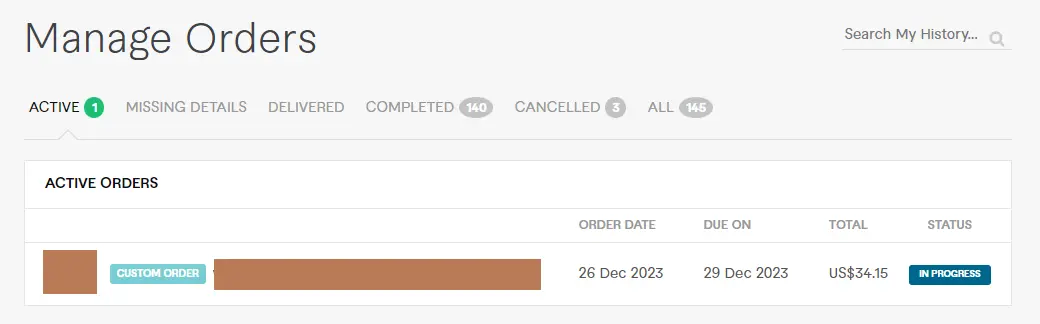
I've made over 140 purchases on Fiverr alone. Add in Reddit commissions, Discord finds, and the occasional Behance cold message and I'm well past 300. Most of it was for my own projects: characters, backgrounds, UI assets, a bit of translation work. Some of it was catastrophic. All of it was educational.
How to Hire an Artist for Your Game: Where to Actually Look
These are the platforms where artists are actively responsive and looking for work right now:
- Fiverr — The most reliable option for volume. Huge range of styles and price points. Search is decent. You can see reviews, response time and order history before you commit to anything.
- Upwork — Better for longer engagements or if you need someone on retainer. Hourly billing suits it more than one-off commissions. The vetting process is slightly more involved than Fiverr but the quality floor is a bit higher too.
- Reddit

/r/hungryartists
/r/artcommissions
/r/gameDevClassifieds
- Discord — Art commission servers exist for basically every niche. Pixel art, anime, 3D, NSFW. If you're in game dev Discord servers already, just ask in #looking-for-work channels. People there want commissions, not a 15% platform cut.
- ArtStation — Technically full of talent. Practically, cold messaging artists there is a coin flip. Most of the serious ones are employed already. That said, it's a good place to find a style you like and then track that artist to their Fiverr or personal site where they actually take commissions. Worth noting ArtStation had their own AI controversy a while back, which dented trust in the community. Keep that in mind when you're evaluating portfolios there.
- Behance — Underrated. I found an excellent manga artist here in 2022. The search is terrible but if you dig, the quality is real. People posting on Behance are often actually proud of their work rather than just farming gigs.
- Twitter / X — The #artcommissionsopen tag still works. More useful for finding illustrators with a specific personal style than for general game assets.
The platforms that used to be "hip" have either died off or are heading that way. DeviantArt, Tumblr (lol), Dribbble, Artfol, CGSociety — try them as a last resort only. They're the retirement homes of the freelance art world at this point.
How to Find the Good Artists
Annoying question. Way too subjective. Here's my best answer anyway.
There's no such thing as a "good artist" in the abstract. There are artists whose style matches what you need, and there are artists whose style doesn't. That's mostly what you're filtering for. The scammers and time-wasters sort themselves out quickly if you know what to look for.
At this point I've made over 140 purchases on Fiverr. Most of them 2D or 3D character work, some UI, a bit of translation. I've also done at least that many commissions split between the other platforms above.
The artists who will cause you problems give it away in the first message. Slow replies, vague answers to direct questions, enthusiasm for the project before they've asked a single question about it. Real artists ask clarifying questions. They want to understand the scope before they commit. A scammer just wants to get the deposit.
First impressions are the only impressions. When you message someone for the first time, write like a professional. Short, clear, respectful. You're not their mate yet. You're a client.
What to Put in Your Brief
This is where most first-timers get it wrong. The brief is the most important thing you will write for any commission.
- Portfolio first: Before you brief anyone, confirm you like their existing work. If their style doesn't match what you want, no brief is going to save you. Scammers will share suspicious art that doesn't match their actual output.
- Keep it short: Artists can't read your mind, but they also won't read an essay. One paragraph of context. One clear description of the deliverable. That's it.
- No essays about your character: Nobody needs your protagonist's childhood trauma in order to draw a character sheet. The only person who will read that wall of text is a scammer building rapport before taking your money.
- Find the style first, then ask for your version: Send them existing work that represents the style you want. Say: "can you do something like this but with these changes." Asking an artist to invent a style they've never done is a bad gamble for both of you.
- Don't haggle on small orders: Unless you're dropping $1000+ or you're a repeat customer, don't penny pinch. These people are doing real skilled work. You want them to like you.
- Ask about splits on large sums: If the commission is around $150 or more, it's reasonable to ask if they'll take half upfront. Reduces your risk. Most experienced artists expect it anyway.
- Use visual references: Open MSPaint or Google Slides and throw together a rough 1024x1024 image of what you're after. It doesn't have to be good. It has to be clear. Taking a rough idea and turning it into something real is literally what artists are trained to do.
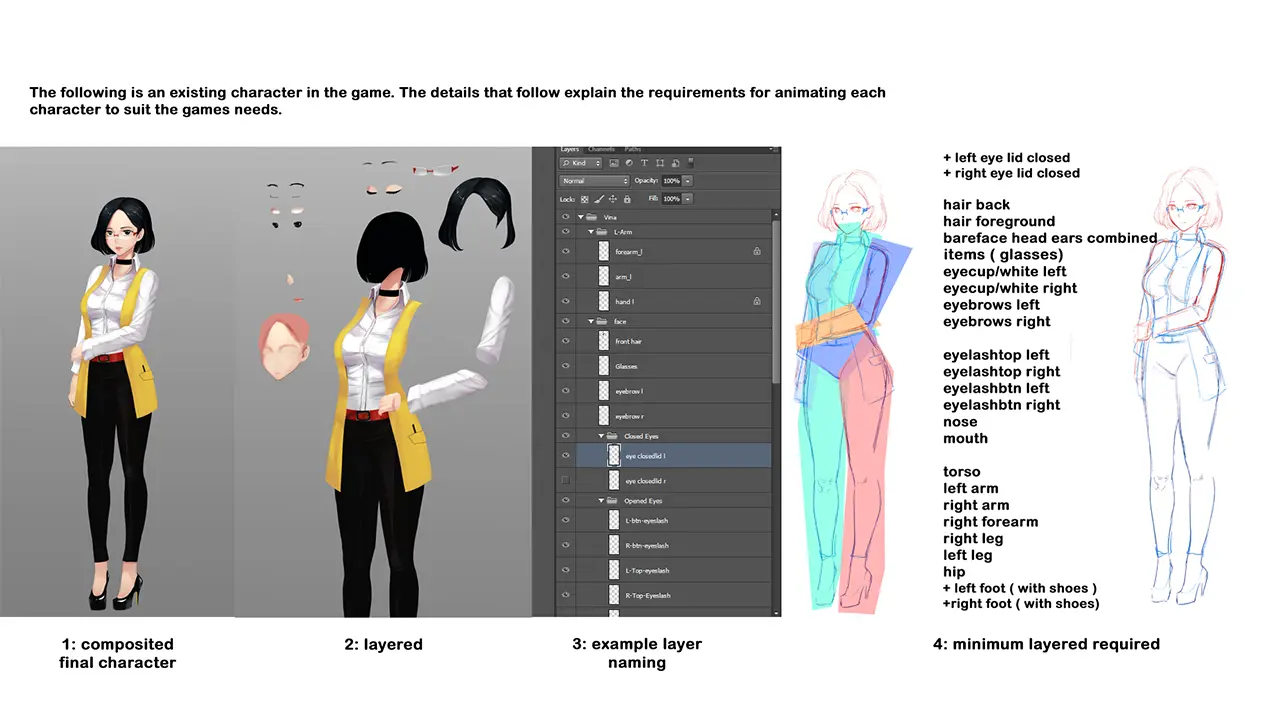
How detailed your references should be depends entirely on the complexity of the task. I've ranged from a rough MSPaint blob with a label to a full instruction sheet because the artist had never done the specific type of work I needed.
One time an artist offered to slice up a character I had for a visual novel but had no experience doing it. Instead of turning the job down I produced a one-page instruction sheet walking through exactly what I needed. The result was good. Always ask first though — offering unsolicited "here's how to do your job" instructions is a fast way to get a cold response.
Platforms to Avoid (and Why)
A quick word on ArtStation specifically. They had an AI incident a few years back where they were silently training on artists' work without consent. They walked it back but the damage was done. Trust in this industry is everything. If you commission art for your game from an artist who feels like the industry already betrayed them, that affects the relationship. Worth being aware of the context.
The broader lesson: when you're hiring for a creative project, platform culture matters. Artists on platforms that have treated them badly are more guarded. They've been burned. That's understandable. Build trust deliberately and you'll get better work.
If you're interested in how commissioned art actually fits into a real game production pipeline, I covered how I built out the visual style for my projects in the piece on why indie devs should care about their own website — because where you send people after they see your art matters as much as the art itself.
Conclusion
Fiverr for quick turnaround. Upwork for longer relationships. Reddit and Discord if you want to skip the platform fees. ArtStation for finding a style, not for cold commissions. Write a short brief, send visual references, don't haggle on small orders, and pay attention to how they communicate before you pay a penny.
The rest you'll learn by doing. It took me three years and three hundred-odd commissions to get comfortable with it. You can probably do it faster — I was figuring it out while also making games and writing manga at the same time, which is its own special kind of chaos.
If you're building a game right now and need to see what a full self-published indie project looks like from the inside, check out P For Pistol.